

Dubai Off-Plan Market: What Q4 Handovers Mean for the Property Sector
Dubai’s off-plan property market has been one of the strongest drivers of real estate activity in recent years, with record numbers of launches and sales reshaping the city’s skyline. But as we approach the end of 2025, the conversation is shifting from new launches to handovers. Thousands of units are scheduled to be delivered in Q4, and that raises important questions about what this new wave of supply will mean for the market as a whole.
Forecasts suggest that 2025 could see around 73,000 new homes handed over across Dubai, significantly more than the 30,000 units delivered in 2024. While not all of these will come online in Q4, a large share of completions are expected toward the year’s end as developers push to meet deadlines. This means the last quarter could be one of the busiest periods for handovers in recent memory. Historically, however, not all projected deliveries are completed on time, so the real figure may be slightly lower.
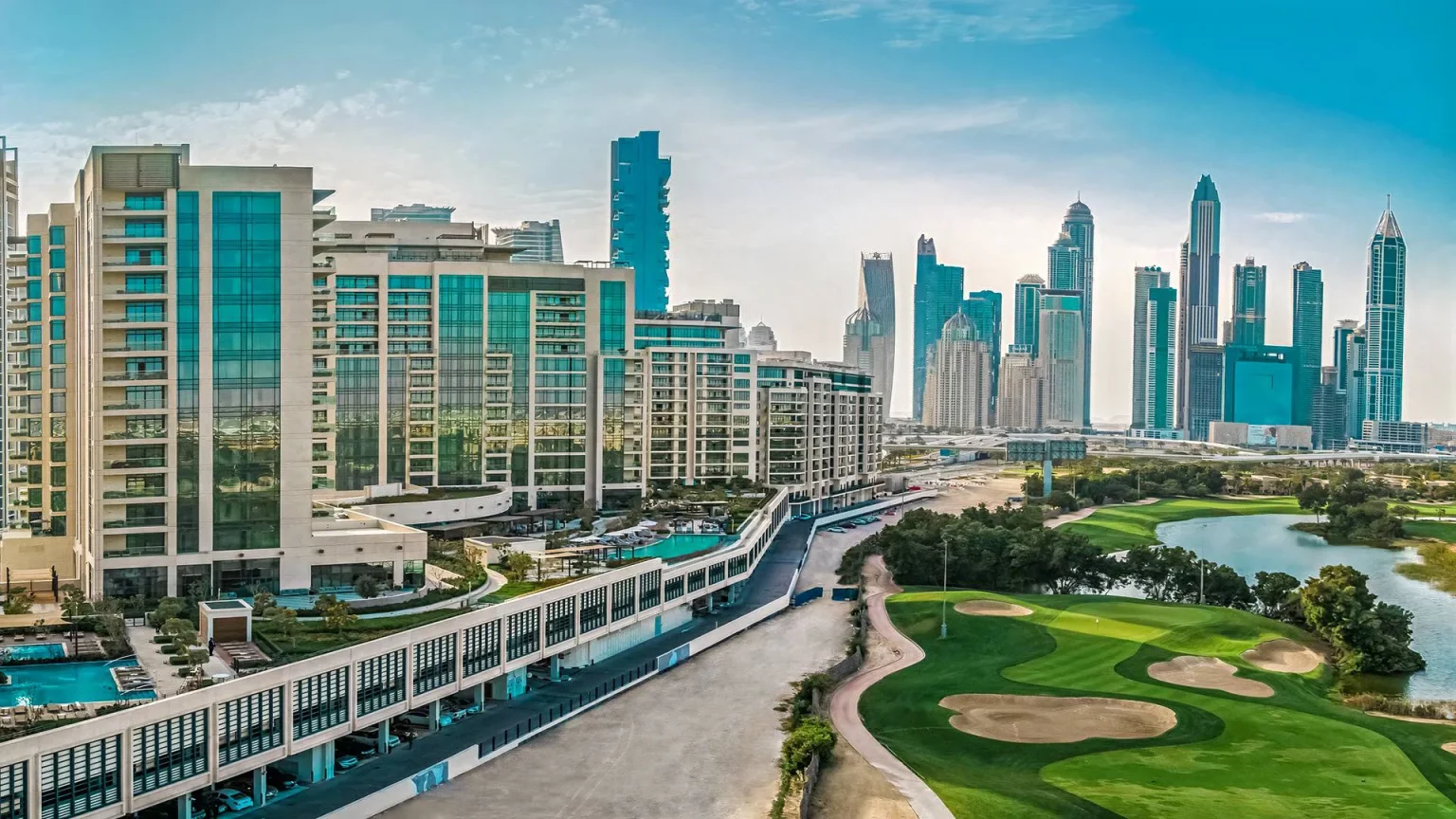
For the market, this new supply could have both positive and challenging effects. On one hand, a stronger pipeline of ready homes will help ease pressure on buyers and tenants who have been navigating years of rising prices and rents. More available options should bring balance to segments that have seen demand outpacing supply, especially in popular suburban communities. On the other hand, an influx of units all at once can create competition, particularly in mid-market apartment zones where demand is more price sensitive. If absorption slows, some projects may take longer to sell or lease, putting downward pressure on prices in those areas.
For buyers, the shift could bring opportunity. With more ready units available, developers may offer attractive payment plans or incentives to stand out. End users who have been waiting for the right moment may find more negotiating power as supply increases. For investors, it may mean recalibrating expectations, as rental yields could soften slightly if rental growth slows while more units hit the market.
The bigger picture is that Q4 will likely mark the beginning of a more balanced phase in Dubai real estate. Luxury and prime areas with limited supply should remain resilient, supported by strong international demand. Meanwhile, mid-tier segments could face adjustments as supply catches up with demand. Rather than a dramatic downturn, what we’re likely to see is moderation — a recalibration that rewards quality projects, strong locations, and trusted developers.
For those watching the market closely, Q4’s handovers will be an important indicator of how Dubai’s property sector evolves into 2026. The key will be whether demand continues to absorb this new wave of supply, or whether certain pockets begin to feel the strain of oversupply. Either way, the next few months will play a defining role in setting the tone for the year ahead.

